A Branding Agency That Makes Your Difference Clear
Lounge Lizard connects brand strategy, messaging, and visual identity to help people understand what your business stands for. We begin with your market, audience, and goals, then develop a direction your team can carry into every customer touchpoint. The work can establish a new identity or strengthen the brand you already have.
The Strategy and Identity Your Team Can Build On
Brand Strategy and Positioning
Define your audience, competitive position, and value proposition through discovery and a collaborative workshop. The output gives the creative work a clear business direction.
Messaging Architecture
Document your core messages, voice, and value proposition so teams can communicate consistently across the website, campaigns, and sales materials.
Naming
Where naming is in scope, develop and evaluate options against the positioning and audience. Screening and legal clearance requirements are agreed before a final selection is made.
Logo and Visual Identity
Develop the logo, color, typography, and imagery that express the agreed direction. The identity is considered as a connected system across relevant applications.
Brand Guidelines
Compile the approved identity and usage guidance into a practical reference. The scope defines the applications, templates, and supporting files your team receives.
Brand Applications and Rollout
Define how the identity carries into priority touchpoints such as the website, presentations, sales materials, social templates, and other applications included in scope. Rollout priorities give internal teams and partners a practical path for using the new system consistently.
Rebranding
Evolve an existing brand when the business, audience, positioning, or market has moved beyond the identity in place today.
Digital Strategy
Plan how the brand should carry into the website and marketing. Execution can be coordinated with our design and marketing teams as part of the agreed scope.
Brand Positioning Built Around What Sets You Apart
Your buyers should understand what makes your business worth choosing. We help define who you serve, the value you bring, and the differences that matter to your audience. That positioning gives your brand a clear direction for both its message and visual identity. Audience and competitive research inform how you describe your expertise, explain your services, and support your claims. We organize those decisions into a messaging matrix, giving your team a practical reference for value propositions, voice, and key messages. Whether you’re introducing a new business or repositioning an established organization, the goal is a brand that reflects where you’re headed and gives customers clear reasons to engage.
A Brand System Your Team Can Put to Work
A brand identity needs to work wherever people encounter your business. Your logo, typography, color palette, imagery, and voice should feel connected across a sales presentation, a website, or a campaign, while allowing room for different audiences and formats. We develop brand guidelines and the applications included in your engagement so internal teams and partners have clear direction. Depending on your needs, that can include presentation templates, sales materials, social assets, and other priority touchpoints.Handoff and rollout planning help your team understand what to use and where to begin. As your business adds services, teams, or locations, those shared standards provide a foundation for keeping the brand recognizable and consistent.
Our Process
From Brand Strategy Workshop to a Usable Brand System
Brand Strategy Workshop
Use the Brand Strategy Workshop as the first formal stage of the engagement, aligning stakeholders around the business, audience, differentiation, goals, and criteria that will guide the work.

Research, positioning, and messaging
Turn the workshop intake and agreed research into positioning, value propositions, voice, key messages, and a messaging matrix that gives the strategy and creative teams a shared reference point.

Moodboard and creative direction
Translate the strategy into visual territories, photography or imagery direction, typography, and other creative cues as appropriate. Present the rationale behind each direction so stakeholders can judge how well it expresses the agreed positioning.
Visual identity
Develop and refine the selected logo and identity system through the review stages defined in the engagement. The work is evaluated as a connected system rather than as a logo in isolation.

Brand applications and guidelines
Apply the approved identity to the priority touchpoints included in scope and document the rules, files, and usage guidance the team will need to use the system consistently.

Handoff and rollout
Deliver the approved assets and guidance, identify rollout priorities, and coordinate with web, marketing, internal teams, or other partners where those implementation responsibilities are included. Project collaboration: A project manager keeps workshops, review rounds, approvals, and deliverables organized in a shared workspace. Major strategic and creative recommendations are presented with the reasoning behind them so the review process stays anchored to the agreed brand direction.
A Brand Direction Grounded in Your Business
The Brand Strategy Workshop brings the people who shape the business into the process before identity concepts are developed. It creates a shared strategic brief for positioning, messaging, visual direction, and the touchpoints the brand ultimately needs to support.
What the workshop covers
Company culture, unique value proposition, industries and target audiences, competitive differentiation, direct-response or response goals, KPI/success metrics, and the customer touchpoints the brand needs to influence. When the engagement connects to a website, the conversation can also cover information architecture, content strategy, the homepage 7-Second Rule, and design direction.
Who should participate
Bring the stakeholders who influence the brand and how it is used, typically leadership, marketing, sales, product, and relevant technical or operational teams. If one large session would dilute the conversation, multiple workshops can be used and the findings consolidated into one direction.
Post-workshop research and messaging matrix
Research the audience, market, products or services, and competition to deepen the workshop intake. Turn the findings into a messaging matrix that connects positioning, value propositions, voice, key messages, and response priorities. Where relevant, search research helps identify the language buyers use so the brand and website are not speaking in internal terminology alone.
Creative direction before execution
Use the approved strategy to evaluate moodboards, photography direction, identity concepts, and other visual routes. This keeps creative review tied to the business and audience decisions made in the workshop instead of reducing feedback to subjective preference.
Brand Systems Built for Different Business Moments
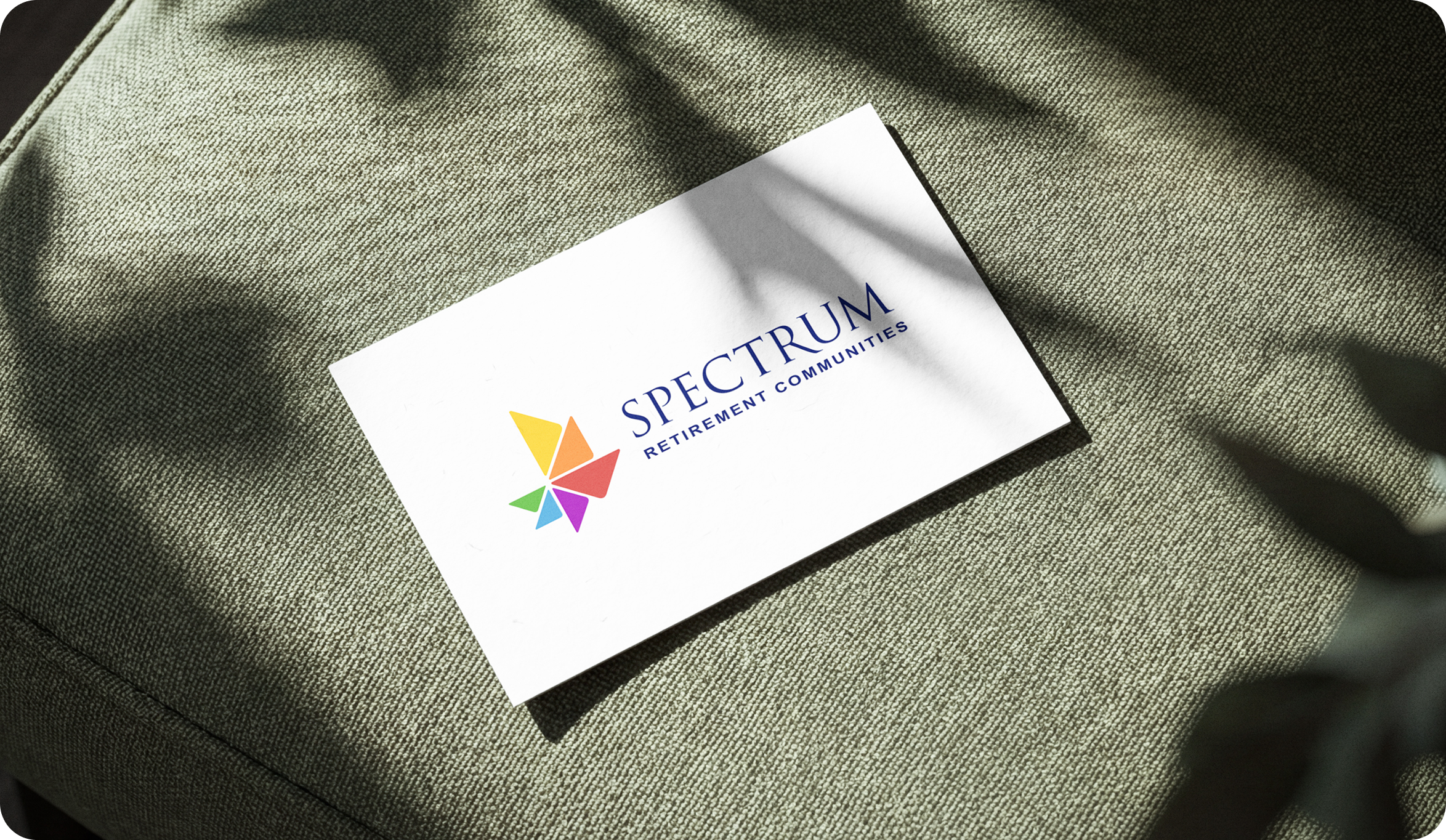
Brand strategy workshops informed a complete overhaul of Spectrum Retirement Communities’ logo, slogan, and digital expression across its community network. The refreshed brand and website system helped create a more consistent experience across 50 community websites, contributing to a 31% increase in inquiry-to-tour and inquiry-to-move-in conversions.
Explore Spectrum Retirement
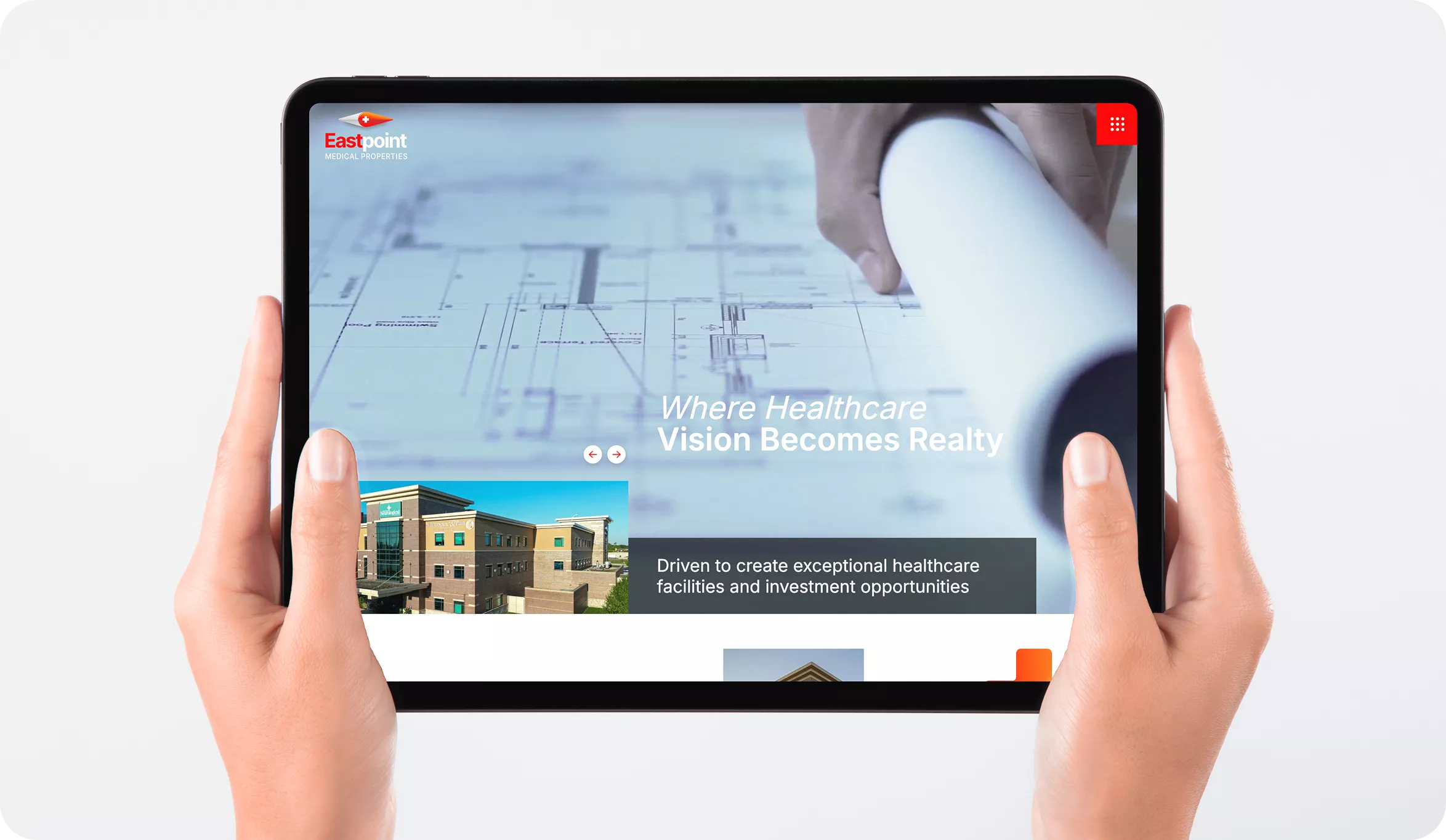
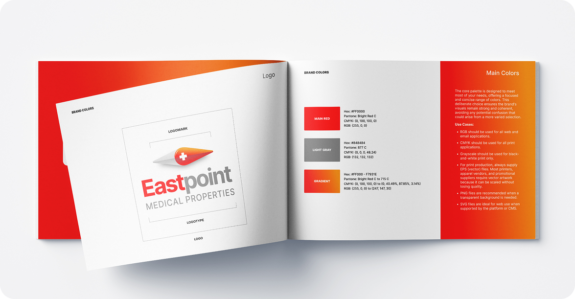
Eastpoint Medical Properties needed a distinct brand after separating from its legacy parent organization. We developed the positioning, name, visual identity, and brand system around its physician-led heritage, national experience, and integrated healthcare real estate services, creating a more credible foundation for growth and communication with providers, investors, and capital partners.
Explore Eastpoint Medical Properties
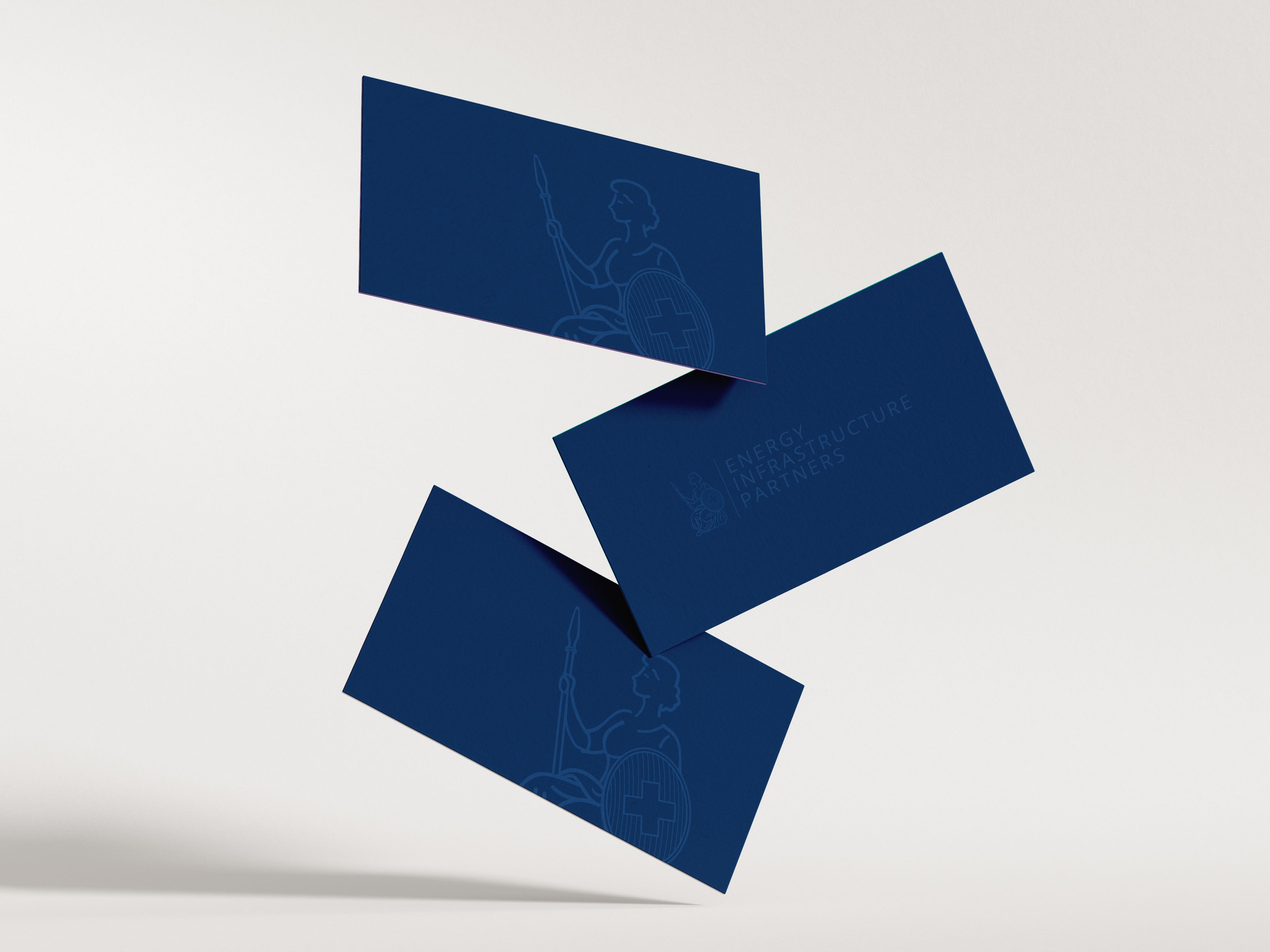
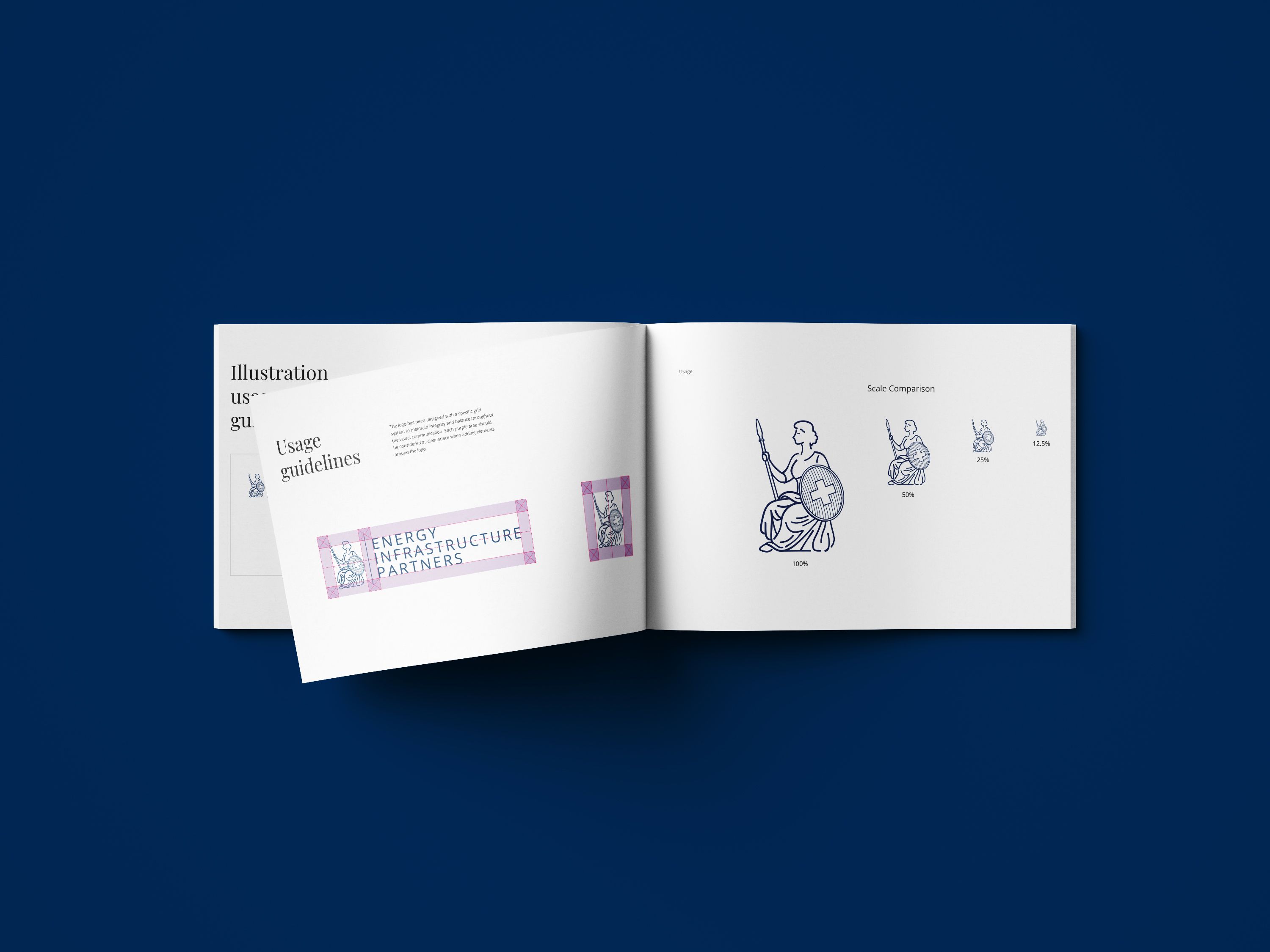
Energy Infrastructure Partners needed a new brand identity, website, and marketing materials aligned with its role in large-scale renewable and system-critical energy infrastructure investment. The identity direction centered on stability, strength, and Swiss heritage, giving the firm a more distinctive foundation for communicating with institutional audiences.
Explore Energy Infrastructure Partners

HIVE needed a brand and digital experience that could bring government and industry together around a shared vision for Federal Health IT. We combined branding, UX, web design, and development to create a clearer, more accessible identity and platform that supports collaboration while giving the initiative a distinctive presence within the federal healthcare community.
Explore HIVE
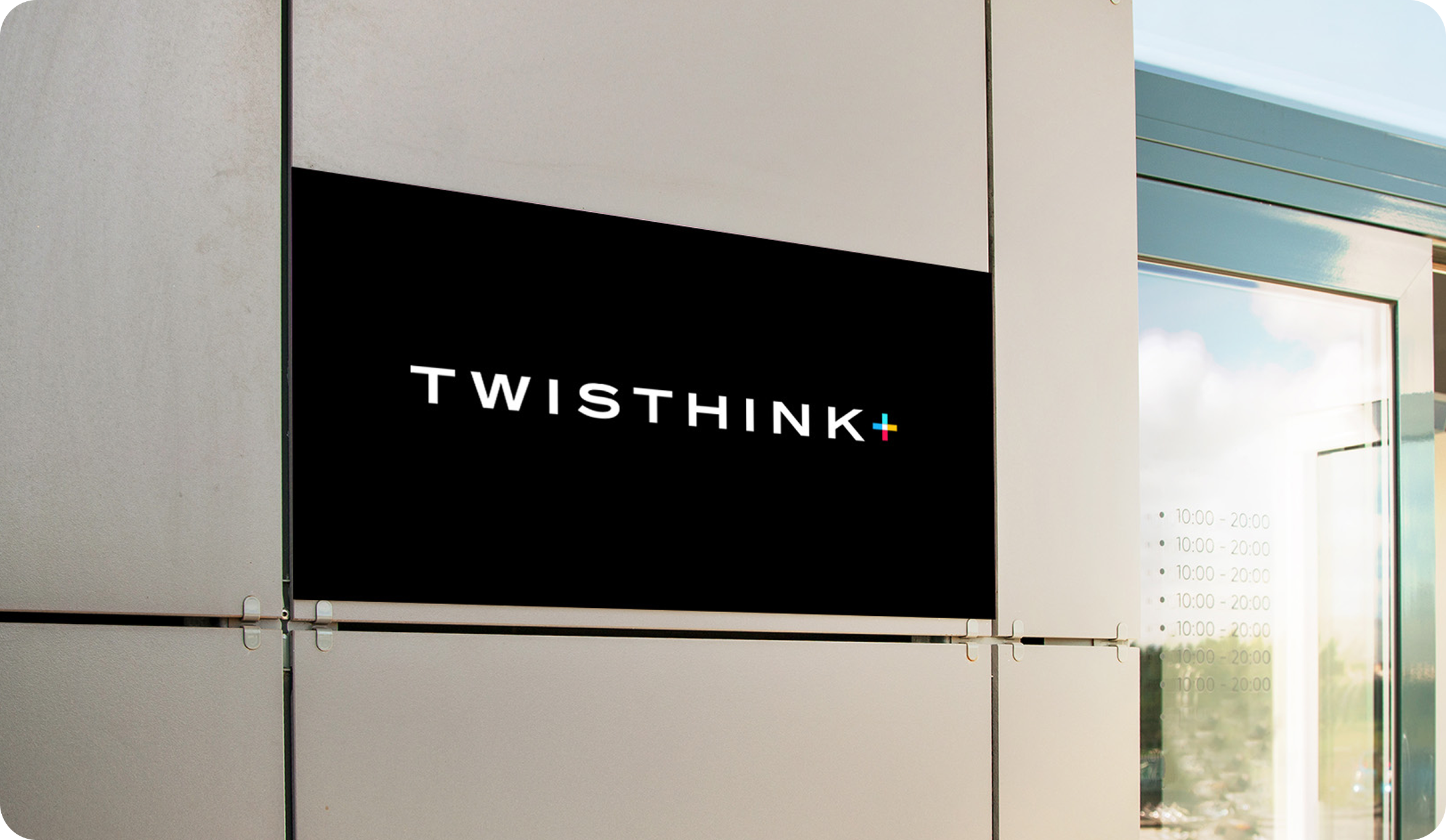
Twisthink is an innovation and technology company that brings together strategists, designers, engineers, and developers to create digital solutions that connect human needs with innovative technologies.
Explore Twisthink
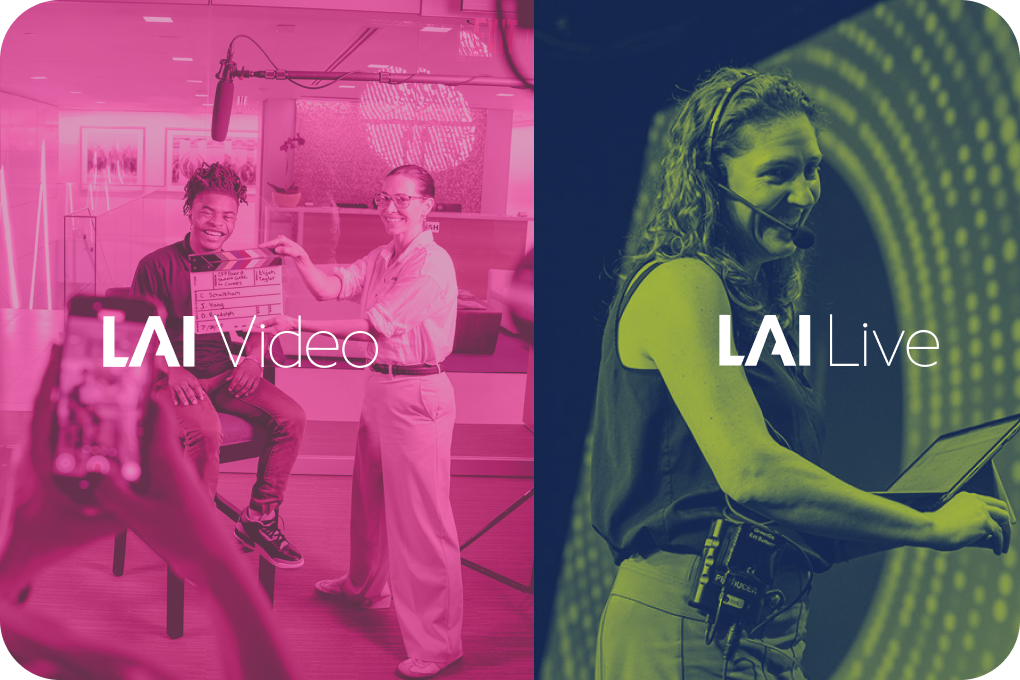
LAI needed to bring three related businesses into a more unified brand ecosystem without losing what made each division distinct. We created a shared visual and digital system across LAI Speakers, LAI Live, and LAI Video, giving the organization greater consistency while preserving the role of each brand.
Explore LAI Speakers
Deciding Between a Refresh and a Rebrand
A refresh may be enough when the positioning still fits but the visual expression or messaging needs refinement. A rebrand may be appropriate when the audience, offering, or business direction has materially changed. We review the existing brand before recommending the extent of change. The rollout plan identifies priority touchpoints and the responsibilities for updating them, helping your team introduce the new direction consistently.
Strategy Before Identity, With a Path to Execution
Our branding agency starts with your business goals, audience, and competitive landscape to define what sets you apart. We turn that strategy into brand messaging, visual identity, and practical guidelines your team can use consistently. With website design and digital marketing expertise under one roof, we can carry your brand through to the experiences and campaigns that bring it to life.
Credentials
Lounge Lizard has earned recognition for branding, visual identity, web design, UX, and digital work from leading industry organizations, including the Davey Awards, W3 Awards, Awwwards, Clutch, and DesignRush. These honors reflect decades of strategic and creative work for brands across industries.

Branding Questions
A branding agency helps define how a business is positioned, how it communicates, and how it is recognized. Work can include brand strategy, messaging, naming, visual identity, and guidelines. Lounge Lizard begins with discovery and a strategy workshop, then defines the deliverables around your goals and existing brand.
A refresh may fit when your positioning remains relevant but the visuals or messaging need refinement. A rebrand may be appropriate when your audience, offering, or direction has changed substantially. We review the existing brand during discovery and recommend the extent of change based on what the business needs.
Your proposal defines the deliverables, which may include positioning, a messaging matrix, logo and identity files, and brand guidelines. Naming, templates, additional applications, and rollout support depend on the scope. We also establish review stages and handoff requirements so your team knows what it will receive.
Timing depends on the research, deliverables, stakeholder reviews, and rollout requirements. A focused identity refresh and a broader repositioning program require different schedules. We establish the project timeline after discovery and identify the decisions, materials, and approvals needed from your team at each stage.
The agreement defines ownership and usage rights for final approved deliverables, including any transfer conditions. Third-party fonts, photography, software, or other licensed assets may have separate terms. We clarify the files and rights included in handoff so your team understands how the finished work can be used.
Yes. We review the existing positioning, messaging, and identity to understand what remains useful and what needs attention. The engagement can focus on specific gaps or a broader change. You do not need to replace an established identity when a focused refinement will address the business need.
Naming scope and screening requirements are defined before work begins. Creative evaluation and preliminary research do not establish legal availability or guarantee registration. Where formal clearance is required, the project should include a review by qualified trademark counsel before your business adopts and launches the name.
We agree on evaluation criteria during discovery. These may include message clarity, consistency across touchpoints, stakeholder understanding, or audience recognition where research is included. When connected website or marketing measurement is available, downstream performance can provide additional context, while accounting for other factors that influence results.