Ecommerce Websites Built Around Your Buyers
Lounge Lizard designs and develops custom online stores that bring your brand into the shopping experience. We plan around your catalog, customers, and business systems, from product discovery through checkout. Whether you are growing an established store or coordinating a complex enterprise catalog, we shape the platform and project around what your business needs.
A Platform That Fits Your Catalog and Operations
We assess catalog complexity, content needs, integrations, and the way your team manages the store. Platform selection also considers ongoing costs and the features your business will need as it grows.
Shopify and Shopify Plus
For brands that want a managed ecommerce platform with flexibility to create a custom shopping experience. We consider catalog needs, integrations, operations, and growth requirements when determining whether Shopify or Shopify Plus is the right fit.
Magento and Adobe Commerce
For projects that call for detailed catalog management, B2B requirements, or extensive customization. We weigh those needs against hosting, maintenance, and operational resources.
WooCommerce and BigCommerce
These can also be considered during platform selection. The recommendation depends on your current systems, required features, and the delivery scope established during discovery.
Headless commerce with Contentful
For content-heavy brands that want editorial flexibility and fast front-end experiences. We pair Contentful’s content management with a commerce engine like Shopify Plus or BigCommerce, so your marketing team controls the storytelling and checkout stays on a proven platform.
Protecting the Value of Your Existing Store
A platform move starts with an inventory of your pages, content, and store data. We identify what should carry forward and map changed URLs to relevant destinations, reducing avoidable disruption to customers and search engines. The migration plan defines which products, customer records, reviews, and order history can transfer, along with platform limitations. Redirects, navigation, and agreed data transfers are validated before launch. Ranking fluctuations can still occur as search engines process the changes.
From First
Impression
to Action
Ecommerce SEO starts with how products and categories are organized. We plan category and product structure, internal linking, product content, and navigation around the ways customers search and shop.
For larger catalogs, we also account for faceted navigation, filter URLs, canonicalization, and crawl control so useful pages can be discovered without creating unnecessary indexable variations. Product data and merchant feeds can also be structured to support visibility across organic search and shopping platforms.
Once shoppers find the right product, the experience should keep moving. Product pages, calls to action, cart behavior, checkout, delivery information, payment options, and reassurance work together to reduce friction and create a clear path from consideration to purchase.
Brand Strategy Process
Every ecommerce engagement starts by aligning the brand, buyer, business objectives, and success metrics before platform or interface decisions are made. That shared direction gives strategy, design, development, search, and marketing contributors one reference point for the customer experience.
Brand Strategy Workshop
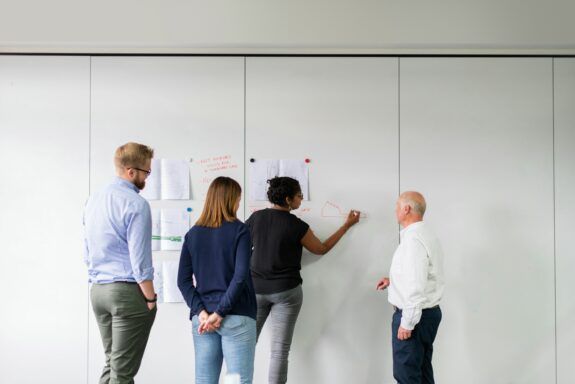
Bring the stakeholders who shape the store together to align on company culture, unique value proposition, target audiences, competitive differentiation, direct-response priorities, and KPI/success metrics. Depending on the business, that can include leadership, marketing, ecommerce, sales, IT, and operations. Larger stakeholder groups can be split into multiple sessions and consolidated into one direction.

Post-workshop research and message direction
Deepen the workshop intake with research into customers, products, competitors, and the language buyers use. Translate the findings into messaging priorities and the content modules that matter most to product discovery and conversion. For the homepage and other priority entry points, the 7-Second Rule guides how quickly the experience communicates value and a clear next step.

Information architecture and requirements
Translate the strategy into category structure, navigation, product information, content needs, platform requirements, measurement needs, and integration dependencies. The goal is to organize the store around how customers shop while accounting for how the business operates behind the experience.
Design
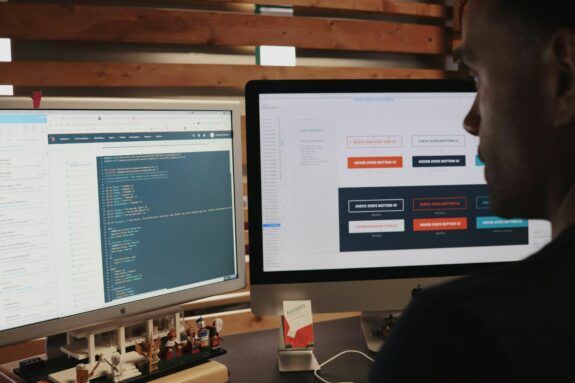
Develop the custom storefront, product pages, and purchase journey around the approved brand and messaging direction. Reusable patterns support consistency while allowing important categories, campaigns, and product stories to have the space they need.

Development and integrations
Build the approved experience using version control and a staging environment. Implement the integrations and data flows included in scope, with design and development teams working from the same approved requirements.

QA, launch, and handoff
Test agreed purchase paths, payment methods, responsive behavior, tracking, redirects, and integrations across the supported browsers and devices. Validate transferred data and key measurements before launch, then provide the agreed training and launch support.

Ongoing optimization
Where a retainer is in place, use customer behavior, conversion data, campaign feedback, and operating needs to prioritize improvements after launch. Project collaboration: A project manager keeps requirements, feedback, approvals, and major deliverables organized in a shared workspace. Key recommendations are presented with the reasoning behind them so stakeholders can evaluate the decision, not just the finished screen.
Ecommerce Experiences Built Around Different Buying Journeys

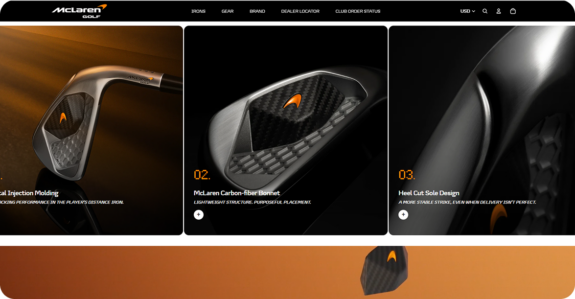
McLaren Golf needed a digital introduction that carried an established performance brand identity into a new category. We paired visual storytelling with a disciplined ecommerce interface, creating a storefront that presents the golf collection while preserving its connection to McLaren’s heritage.
Explore McLaren Golf

Night of Mystery needed an ecommerce experience that felt as imaginative as the downloadable party kits it sells. We built a custom WordPress experience with visual navigation, an interactive Find Your Adventure quiz, stronger product discovery, and a clearer path from browsing themes to purchasing the right mystery.
Explore Night of Mystery

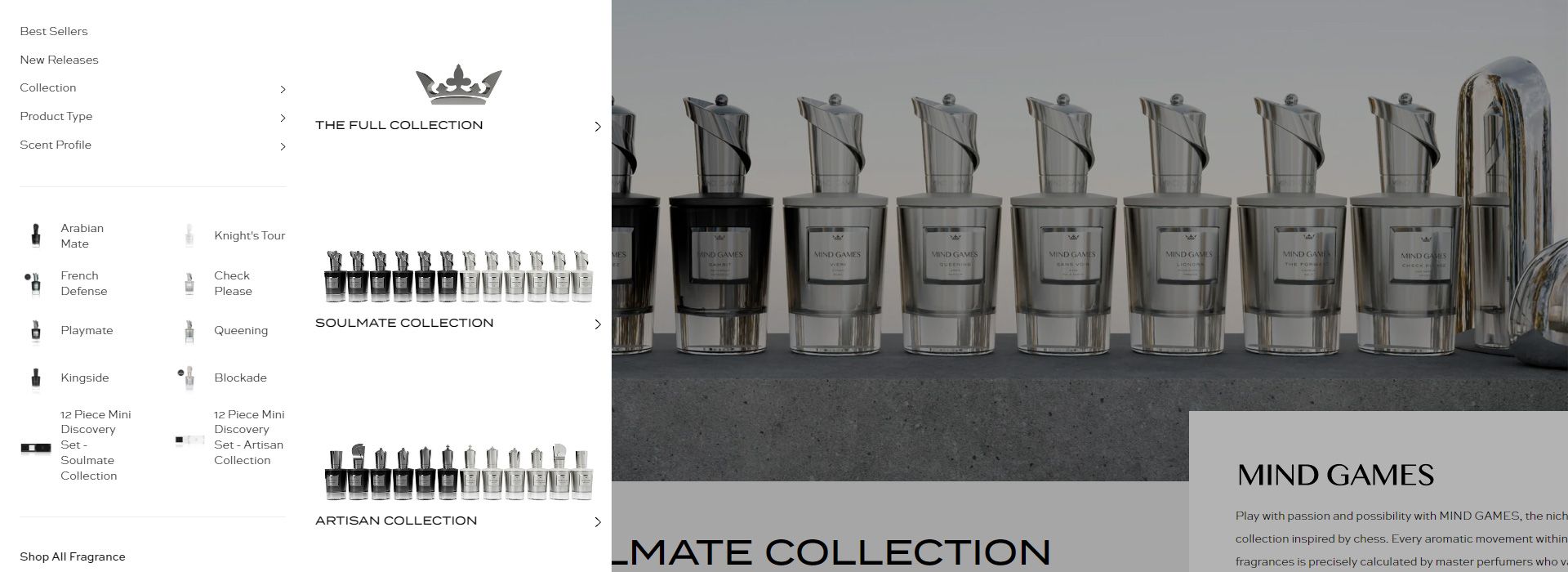
MIND GAMES needed a luxury ecommerce experience that could showcase its fragrance collection while carrying the brand’s chess-inspired strategy and artistry into the shopping journey. The project combined UX, web design, development, motion, strategy, and branding to create a more immersive, information-rich storefront.
Explore MIND GAMES Fragrance
A Connected Shopping Experience
A custom ecommerce website should connect every part of the buying journey. We bring product discovery, content, navigation, checkout, payments, inventory, and integrations together to create a seamless shopping experience built around your customers and your business.
Custom storefront design
A visual experience shaped around your brand, with responsive layouts that help customers browse and buy on desktop and mobile.
Product pages
Clear product information, imagery, availability, and relevant reassurance help customers evaluate their options and make a purchase decision.
Cart and checkout
We plan the purchase path around the platform’s capabilities, including guest checkout, delivery information, payment options, and clear handling of errors.
Catalog and inventory
Category structure, product attributes, and inventory requirements are defined early, including how information should move between the store and connected systems.
ERP, CRM & Commerce Integrations
We connect ecommerce experiences with the systems that support customer management, marketing, inventory, fulfillment, and reporting. Our integration experience includes platforms such as Salesforce, HubSpot, and Klaviyo, with requirements and data flows defined during discovery so the storefront works with the broader business operation.
Payments
We configure payment integrations around the selected provider and platform. Hosted or tokenized payment options can reduce direct handling of card details; responsibilities depend on the implementation.
Site search and filtering
Search, filters, and navigation help buyers narrow a large catalog by the attributes that matter to their purchase.
Conversion tracking
The agreed measurement setup can cover product views, cart activity, checkout, and purchases. Tracking is validated against platform behavior and the site’s consent configuration.
Interactive product tools
Where the buying journey benefits from visualization or configuration, we can scope tools such as product configurators, guided selectors, or comparison experiences. The approach depends on product data, platform capabilities, and integration requirements.
Support That Matches Your Store
Post-launch work is defined around your platform and operating needs. A separate retainer can cover conversion testing, maintenance, monitoring, and seasonal improvements. Campaigns and automated recovery flows are scoped explicitly, so your team knows what is included and who is responsible.
Brand Strategy, Commerce UX, and Development Under One Roof
Our ecommerce web design and development process connects brand strategy, commerce UX, platform architecture, integrations, SEO/AEO, and measurement from the start. By aligning the customer journey with your catalog, CRM/ERP systems, and business goals, we reduce handoff gaps and build custom ecommerce experiences that can scale across complex products, teams, and technology.
Ecommerce Questions
The right platform depends on your catalog, integrations, content workflow, budget, and internal resources. We compare those requirements during discovery, including the ongoing cost of apps, hosting, and maintenance. Shopify, Adobe Commerce, WooCommerce, and BigCommerce offer different tradeoffs; the recommendation should follow your business requirements.
We create custom storefront designs around each client’s brand and buying journey. The technical approach depends on the platform and project requirements. Reusable components support consistent pages and easier content management, while the proposal defines the theme, component, and checkout work included in the build.
We plan migrations to reduce avoidable SEO loss through URL mapping, relevant redirects, content preservation, and launch checks. No migration can guarantee unchanged rankings. Search engines may need time to process the new site, and the agreed scope determines what monitoring and follow-up work happens after launch.
We configure payment processing around the selected platform and provider, using hosted or tokenized options where appropriate. These can reduce exposure to card data, but they do not remove the merchant’s PCI responsibilities. The implementation and required validation should be reviewed with your payment provider and compliance stakeholders.
We look at the purchase journey, including checkout steps, delivery information, payment options, and errors. Tracking can help identify where customers leave. Recovery emails, remarketing, and continued testing can be included in the agreed scope or a separate engagement; they are not automatic features of every build.
Account access, ownership of custom deliverables, data handling, and handoff are documented in the project agreement. Hosted platforms, themes, apps, and other third-party products have their own licensing terms. We review those arrangements during scoping so responsibilities and ongoing access are clear before the project begins.
Depending on the platform, ongoing costs may include subscriptions or hosting, paid apps, payment processing, maintenance, and additional marketing services. We identify the relevant dependencies during scoping and distinguish project deliverables from recurring costs. Your proposal sets out the work and commercial terms for the engagement.