Web design trends for 2026 are being shaped by two major forces: AI-assisted creation (faster iteration, smarter personalization) and more immersive, device-agnostic experiences (from mobile-first to spatial/3D). At the same time, teams are standardizing builds with modular templates so websites can scale without losing consistency.
Below are the top trends to watch and how to use them to improve UX, performance, and conversions.
Key Takeaways
- AI design is now a standard workflow booster, best paired with a strong design system.
- AR/VR (WebXR) is most effective as an optional, high-value moment, not a site-wide gimmick.
- Responsive + immersive design is about interaction quality and speed, not just breakpoints.
- Modular templates help teams scale pages quickly while keeping brand consistency.
1) AI-Assisted Design Becomes the Baseline
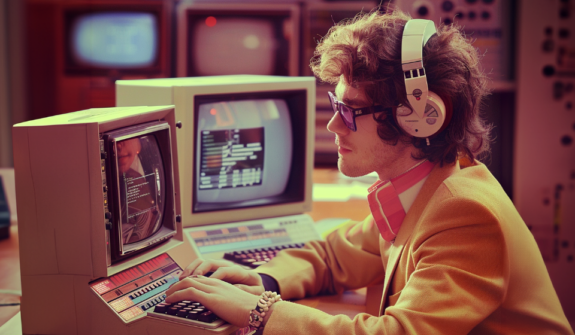
In 2026, AI isn’t replacing designers; it’s accelerating production: generating layout options, improving imagery, recommending component variations, and helping teams move from concept to build faster. Design and development workflows are also blurring as AI bridges the gap between “what we want” and “what ships.”
How to apply it
- Use AI for rapid concepting, then lock brand rules into a design system (type scale, spacing, buttons, forms).
- Apply AI to content operations: create page variants for different audiences, industries, or locations without making the site feel templated.
2) AR/VR and Spatial Moments (Without Forcing an App)
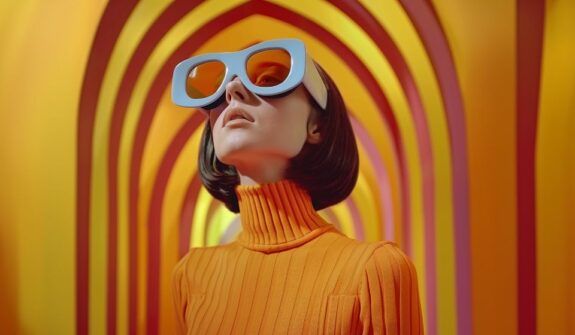
AR/VR is increasingly accessible via browsers thanks to WebXR, enabling immersive experiences that can be launched from the website when appropriate (not everywhere, not always).
How to apply it
- Add “immersive moments” that reduce friction: product visualization, space planning, guided walkthroughs, and training demos.
- Make it optional and lightweight: users should still get full value without AR/VR.
3) Responsive + Immersive Design (Not Just “Mobile-Friendly”)
Responsive design in 2026 is about interaction quality, not just breakpoints: speed, stability, and responsiveness are part of design. Google’s shift to INP (Interaction to Next Paint) reinforces that “how the page feels” matters.
How to apply it
- Design for thumbs, not cursors (mobile navigation, bottom CTAs, larger hit targets).
- Use motion intentionally: micro-interactions that clarify state (loading, success, error) instead of decorative animation.
4) Modular Templates and Design Systems Scale Faster
Teams are standardizing websites like products: reusable components, consistent rules, and templates that support growth without constant redesign. “Atomic” thinking (components built from small to large) continues to influence modern modular systems.
How to apply it
- Build a component library (hero, cards, feature grids, testimonial modules, pricing blocks, FAQs).
- Create page templates by intent: “Learn,” “Compare,” “Buy,” “Contact,” “Support.”
5) Personalization That Respects Privacy
In 2026, personalization works best when it’s contextual (page intent, device type, referral source) rather than creepy. The goal: help users get to the right content faster, without relying on invasive tracking.
How to apply it
- Personalize by “needs state” (researching vs ready-to-buy).
- Use progressive disclosure: reveal advanced options after a user signals intent.
6) Accessibility-First UI (Because It’s Better UX)
Accessible design is simply clearer design: better contrast, readable typography, keyboard-friendly navigation, and reduced-motion options. In 2026, this is a competitive advantage because it improves usability for everyone.
How to apply it
- Treat accessibility as a design system requirement, not a last-minute audit.
- Build forms and navigation that work for keyboard and screen readers from day one.
7) Performance-Driven Visual Design
Design is trending toward visuals that look premium and load efficiently: optimized media, smarter animations, and “cinematic” moments that don’t break performance.
How to apply it
- Use compressed next-gen images, lazy loading, and motion with restraint.
- Favor high-impact layouts and typography over heavy effects everywhere.
Why Update Your Website for 2026?
Because expectations have changed, users want websites that are fast, intuitive, and confidence-building. At the same time, brands need sites that can scale content quickly, support new experiences (like immersive demos), and convert traffic more efficiently.
Lounge Lizard helps brands modernize websites with strategy-first UX, high-end creative, and development built for performance, scalability, and long-term growth. Contact us today to learn more.
Summary
Web design trends for 2026 are moving toward AI-accelerated production, selective immersive experiences (AR/VR), responsiveness that prioritizes interaction quality, and modular systems that enable brands to scale without redesigning every page. The winners in 2026 will be websites that are effortless to use, load quickly, and adapt intelligently to user intent while remaining consistent with the brand.