Web Development Company That Builds Around Your Business
Lounge Lizard develops custom websites with a clear CMS structure, planned integrations, and a disciplined path to launch. WordPress is our primary platform. We build around the way your business operates, so your team can manage content and your website can connect to the tools you rely on.
Custom Websites With a Practical Foundation
Every build starts from the same groundwork: clean code, a content model your team can manage, and performance and accessibility handled during development rather than patched in after launch.
WordPress and CMS development
Custom themes and structured content models support your website’s design and publishing requirements.
Block and component libraries
Reusable, on-brand components give your team a consistent way to create pages and update content.
Ecommerce development
Shopify and Adobe Commerce development supports stores with defined catalog, checkout, and integration requirements.
Website integrations
Connect forms, CRM platforms, analytics, and other tools through interfaces and data flows defined during discovery.
Performance improvements
We assess page speed and interaction performance, then address the code, media, and third-party dependencies that affect the visitor experience.
Custom interactive functionality
Where the business case supports it, we can scope custom tools such as product configurators, portals, calculators, data-driven interfaces, and other interactive functionality. Requirements, data sources, security, and maintenance responsibilities are defined before build.
A Controlled Path From Build to Launch
Development takes place in a version-controlled repository, with a separate environment for building and reviewing changes. Staging gives your team a place to evaluate the work before release. Backups and deployment planning support recovery if a problem occurs.
QA covers the agreed browser and device matrix, including mobile behavior, forms, navigation, and integrations. Issues are documented and reviewed before launch. Project management keeps requirements, feedback, and approvals visible to both teams.
For mid-market and enterprise websites, early planning also covers stakeholder approvals, publishing roles, multiple audiences, and system dependencies. These requirements shape the architecture and acceptance criteria.
Connecting Your Website to Daily Operations
Form and CRM integrations can include Salesforce, Account Engagement (Pardot), HubSpot, or other systems suited to your stack. We define field mapping, routing, and attribution requirements before implementation.
We assess the available APIs, account tiers, authentication, and data requirements before committing to an integration. The scope defines the systems and workflows included.
GA4 and Google Tag Manager can be configured around agreed events and consent requirements. Validation helps identify what is captured and where reporting limitations remain.
Submission handling, validation, routing, and relevant tracking are planned together. The goal is a usable form and a clear path for the information after submission.
Technical Handoff
Technical architecture should follow an agreed business and user strategy, not develop in isolation. We establish that shared direction first, then define the CMS, integrations, environments, search requirements, QA criteria, and launch plan around it.
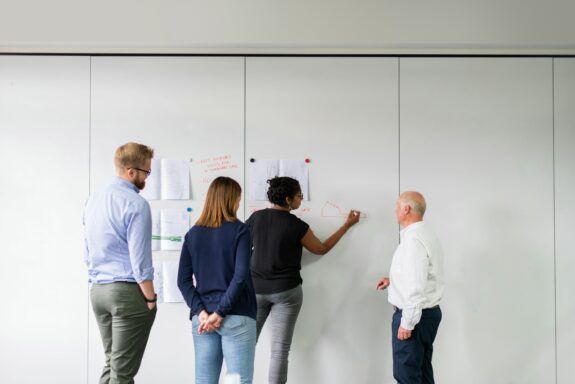
Brand Strategy Workshop
Align stakeholders around company culture, unique value proposition, target audiences, competitive differentiation, direct-response goals, and KPI/success metrics before technical architecture begins. When Lounge Lizard is working from an existing brand or approved designs, the workshop can focus on business, audience, content, conversion, and operational priorities rather than forcing a rebrand. Larger stakeholder groups can be handled through multiple sessions.
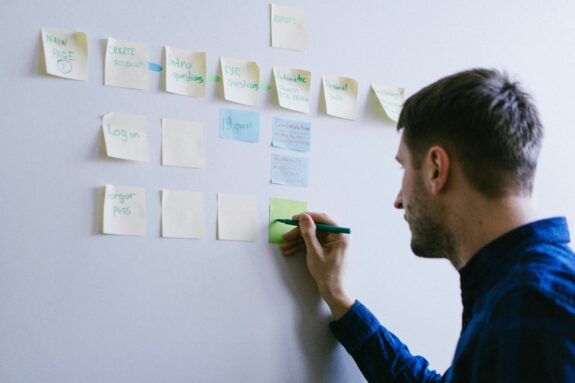
Technical and search discovery
Document the existing CMS and hosting environment, content model, integrations, analytics, migration needs, security considerations, accessibility requirements, performance constraints, and support expectations. For rebuilds, establish the technical, content, and search baselines the new site needs to protect or improve.

Architecture and specifications
Translate the workshop and discovery findings into the CMS structure, component model, data flows, integration requirements, performance expectations, redirect and sitemap needs, template search requirements, and acceptance criteria for the build.
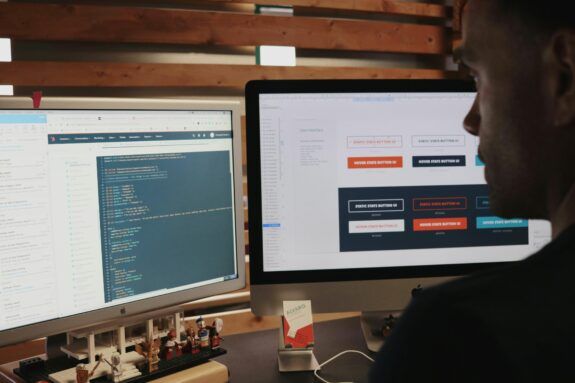
Build
Develop the approved scope in a version-controlled repository with a separate staging environment. Reusable components, integrations, and required functionality are implemented against the agreed specifications, with backups and deployment planning supporting release management.

QA
Test the agreed functionality, responsive behavior, forms, integrations, accessibility requirements, browsers, devices, analytics, redirects, and launch criteria. Issues are documented and resolved against the acceptance criteria rather than left to an informal launch-day review.

Launch, training, and handoff
Validate key workflows, measurement, migration requirements, and deployment readiness, then complete the agreed release. Training and handoff cover the CMS, approved components, and responsibilities the client team needs to manage after launch.

Support
Provide the contracted launch support. Ongoing monitoring, patches, updates, backups, and new functionality follow the selected maintenance or support agreement.
Project collaboration: A project manager organizes requirements, feedback, approvals, and major deliverables in a shared workspace. Key architecture, UX, and technical recommendations are presented with their reasoning so business and technical stakeholders can review the same decision framework.
Development Work Across Complex Requirements
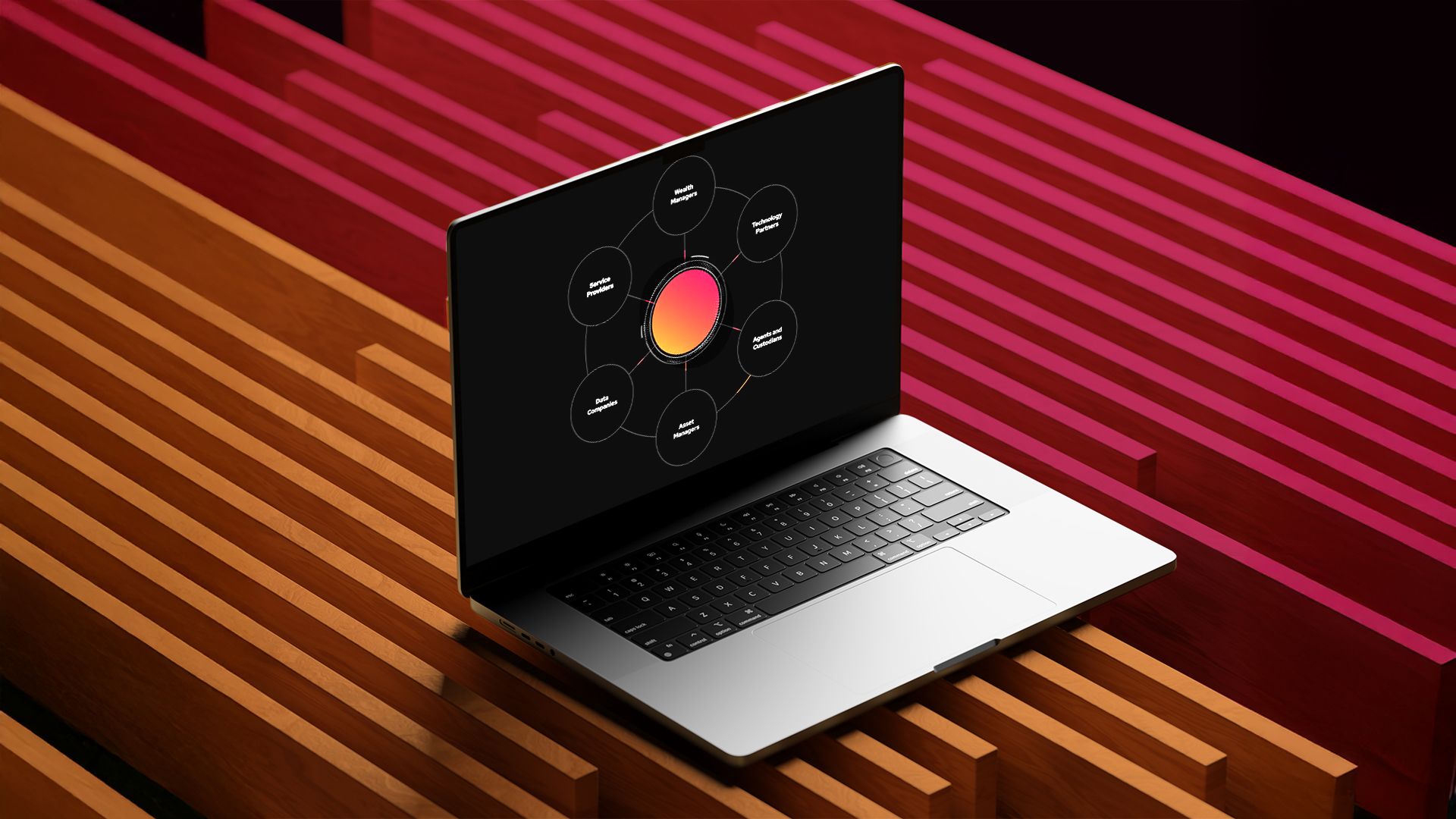
InvestCloud’s sophisticated financial offering needed a clearer digital journey. We refined navigation and content flow, pairing geometric forms and fluid curves with its established identity. The resulting experience helps financial audiences explore complex solutions within a consistent visual framework.
Explore InvestCloud
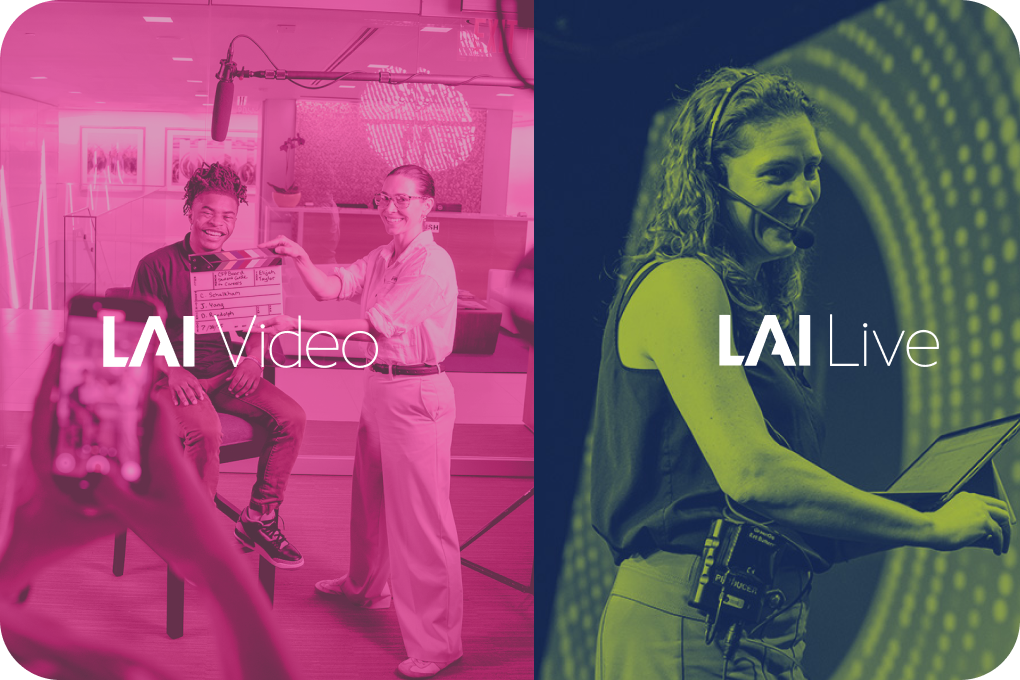
LAI Speakers needed to bring three related brands into a more connected digital ecosystem without losing what made each one distinct. We built a scalable WordPress experience that unified LAI Speakers, LAI Live, and LAI Video while improving navigation, speaker discovery, lead generation, and long-term content growth.
Explore LAI Speakers
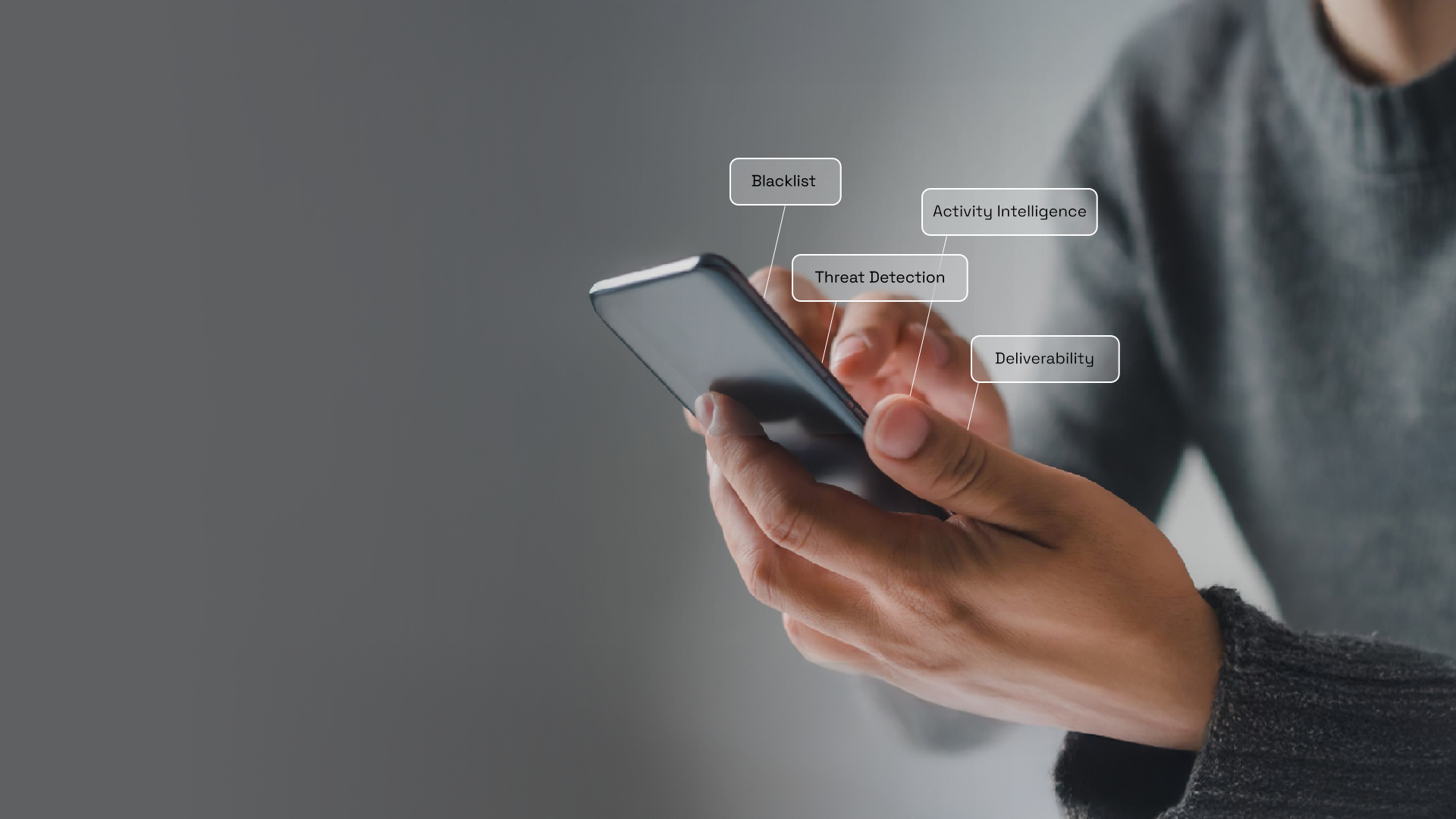
Webbula needed to replace an outdated framework with a scalable B2B MarTech platform. The new experience uses a component-based system and supports accessibility, traditional and AI-search visibility, plus integrations with Salesforce and Account Engagement (Pardot) as part of a more structured lead-generation ecosystem.
Explore Webbula
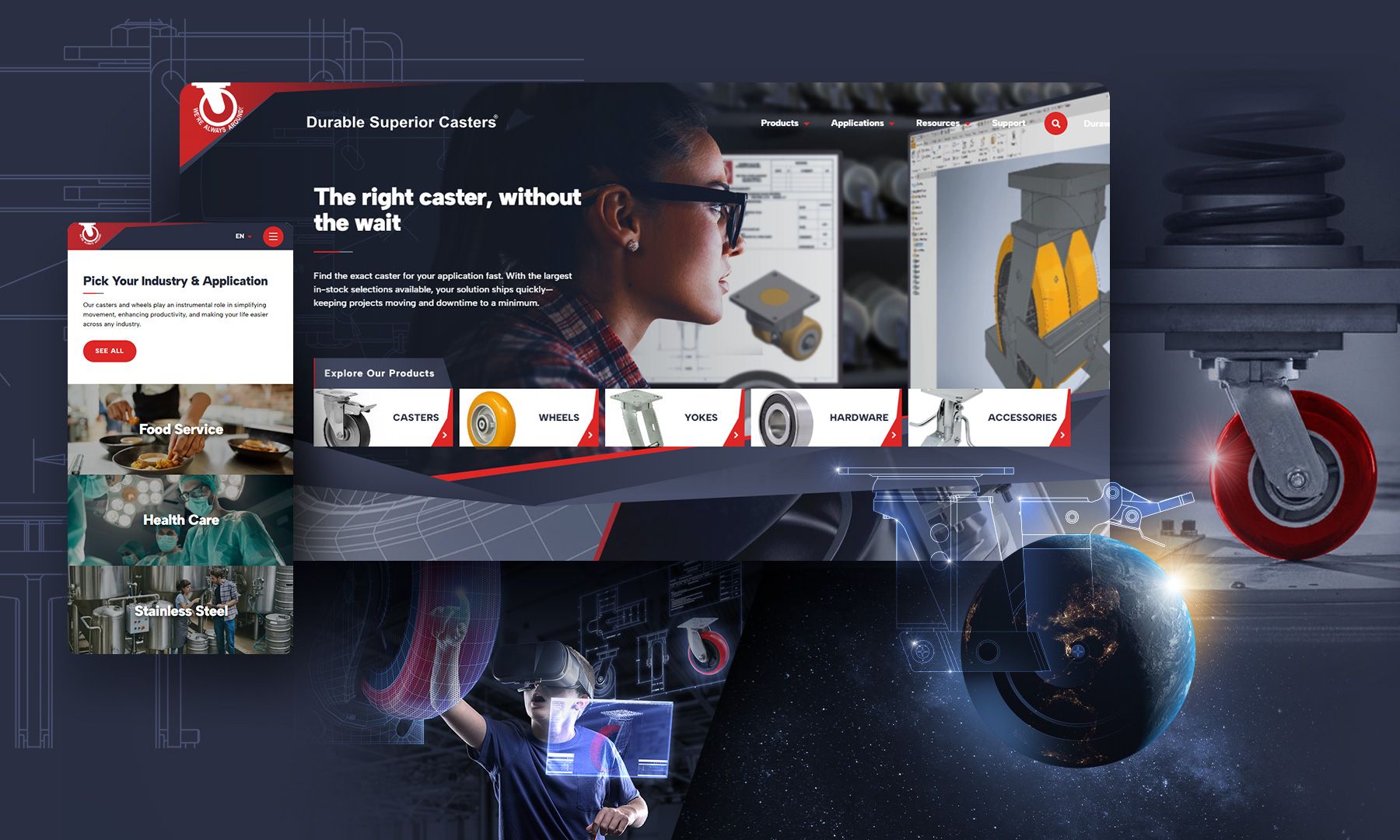
Durable Superior Casters needed a digital experience that could make a large industrial product catalog easier to navigate and buy from. We created a more streamlined commerce experience that helps users find the right casters, wheels, and components faster while supporting clearer product discovery and purchase paths.
Explore Durable Casters
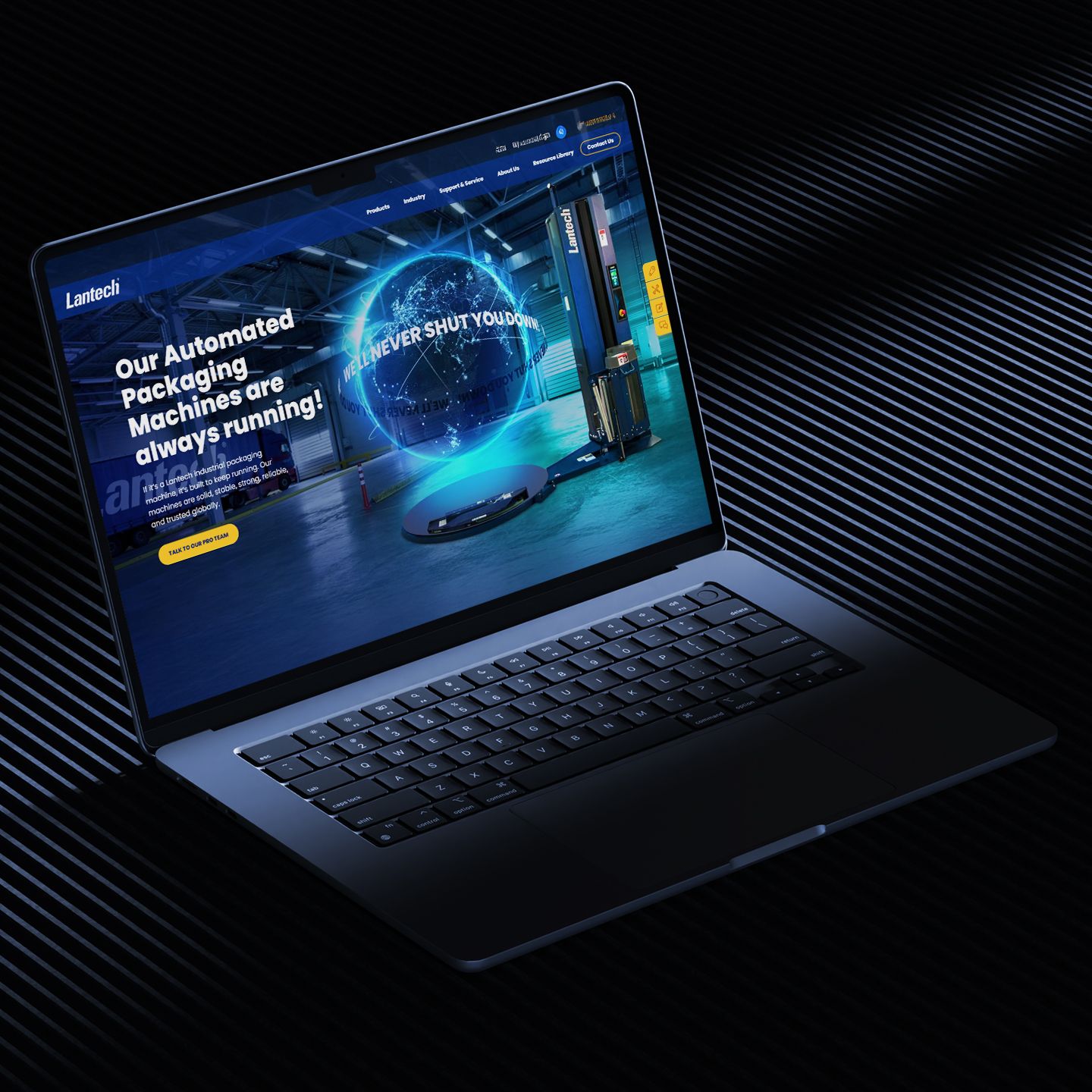
Lantech needed a multi-region digital platform for an international packaging-equipment audience. The redesigned experience addressed regional content delivery, multilingual requirements, accessibility, security, SEO, and customer journeys, with Cloudflare used to direct visitors to appropriate regional content and GTranslate supporting German and Chinese experiences.
Explore Lantech
Imagine Software needed a website that could present an enterprise healthcare automation platform more clearly and support a technology-first market position. The engagement combined web development with UX/UI, content, brand strategy, and SEO to create a more coherent platform story and clearer paths to demos and consultations.
Explore Imagine Software
Requirements Built Into the Project
Security measures are selected for the platform and hosting environment. They can include HTTPS, access controls, two-factor authentication, brute-force protection, and firewall configuration. Ongoing patching, monitoring, and backup management are defined in the support agreement.
Accessibility requirements are agreed during scoping and carried into design, development, and QA. The evaluation approach should combine automated checks with human review against the agreed WCAG target. Conformance depends on the scope and test findings, rather than a tool alone.
Technical Search Requirements Considered Before Launch
For a rebuild or migration, technical search planning begins during discovery. Where included in scope, we audit crawl and index health, identify important URLs and existing search equity, establish a performance baseline, map changed URLs, and define template requirements for headings, internal linking, structured data, and crawlability before the build is finalized. Launch QA then validates redirects, canonicals, sitemap behavior, indexability, and other agreed technical requirements. An AI-search visibility baseline can also be recorded when measurement access is available. Ongoing SEO and AEO work is scoped separately.
The Platform Follows the Requirements
We don’t pick a platform first and bend your project to fit it. Your content volume, editorial workflow, integrations, security review, and who maintains the site after launch decide the stack. Most projects land on WordPress. When yours shouldn’t, we’ll tell you early.
WordPress
Our primary platform for custom content-managed websites, with a reusable component approach suited to the agreed publishing workflow.
Shopify
For ecommerce projects where hosted commerce and the available integration options fit the operating requirements.
Magento and Adobe Commerce
For commerce projects with complex catalogs or customization needs, supported by an appropriate hosting and maintenance plan.
Support With Clear Responsibilities
We define handoff, training, and post-launch support in the proposal. Ongoing maintenance can cover platform updates, security patches, monitoring, and backups. The agreement sets out responsibilities, response expectations, and what happens when new functionality is requested.
Brand Strategy, Commerce UX, and Development Under One Roof
Our web development process connects brand strategy, UX/UI, custom development, integrations, SEO/AEO, analytics, and CRM requirements from the start. By aligning the website’s technical foundation with your business goals and existing systems, we create scalable websites that are easier to manage, integrate, and evolve.
Credentials
Lounge Lizard has earned recognition for web design, UX, branding, and digital work from leading industry organizations, including the Davey Awards, W3 Awards, Awwwards, Clutch, and DesignRush.
These honors reflect nearly three decades of creative, strategic, and technical work for brands across industries.







Leadership
Founder & Chief Creative Officer
Ken Braun is a digital strategist, entrepreneur, and speaker who has shaped the industry since founding Lounge Lizard Worldwide in 1998. As Founder and CCO, he has led the creation of award-winning websites, campaigns, and performance-driven marketing strategies for brands around the world.
A Webby Awards judge and contributor to Forbes, Ken writes about website design, user experience, and digital growth. With more than three decades of leadership in advertising and brand strategy, he guides Lounge Lizard in delivering impactful design, advanced web development, and data-driven marketing that drives growth and long-term brand value.
A Brazilian Jiu-Jitsu black belt, Ken brings the discipline and strategic focus of martial arts into his leadership, blending creativity and precision to help brands compete and succeed.

Ken Writes for Forbes
Ken Judges the Best

Founder & Chief Executive Officer
As a founder and long-time CEO of Lounge Lizard Worldwide, Sharon brings a big picture focus, coupled with excellent finance and management skills and strong analytical experience to lead Lounge Lizard’s team operationally.
With her expansive understanding of business development and networking, project management, and human resources, plus her passion for client relations, Sharon ensures that Lounge Lizard’s creative teams are well-positioned for success.
Over the course of her career, Sharon has proven extensively that a solid business plan with a strategic focus, and a seasoned approach to efficiency and scale, are what’s needed to ensure phenomenal growth. Through her leadership, Lounge Lizard has experienced enviable success and is well-positioned for the digital future.
Web Development Questions
Web design defines how a website looks and how visitors use it, including layout, visual hierarchy, and navigation. Web development implements the experience through code, a CMS, and integrations.
Lounge Lizard offers both services, with deliverables and handoff responsibilities defined for each engagement.
We assess your content model, publishing workflow, integrations, internal skills, and ongoing costs. WordPress is our primary platform for custom CMS websites. Commerce requirements may point toward Shopify or Adobe Commerce. We recommend the approach after reviewing the requirements rather than assuming one platform fits every project.
A redesign may be appropriate when the underlying platform works but the experience needs improvement. A rebuild may be needed when the code, CMS structure, or integrations cannot support your requirements. A technical review helps determine what can be retained and what needs to change.
Yes. We assess the systems, APIs, account tiers, and data flows during discovery. Your proposal identifies the integrations included, along with dependencies on third-party platforms or internal teams. Lead scoring, complex automation, or additional workflows are scoped explicitly rather than assumed to be part of every build.
Timing depends on the number of templates, content readiness, integrations, migration requirements, and review stages. We establish the schedule after defining the scope and dependencies. Clear approval points and timely access to systems help the team identify issues early and keep delivery organized.
Launch security controls are selected for the platform and environment. Continued monitoring, updates, patches, and backups depend on the maintenance agreement. We define those responsibilities with your team so that launch support, ongoing upkeep, and requests for new features are clearly distinguished.