
The Intelligence Layer: Architecting the Future of Answer Engine Optimization (AEO)
Summary
The digital landscape is currently navigating a structural pivot more significant than the move from desktop to mobile. We have entered the era of the “Intelligence Layer,” where traditional search engines are being superseded by sophisticated synthesis engines. This shift, defined as Answer Engine Optimization (AEO), represents a move away from the “Blue Link” economy toward a “Direct Answer” economy. For brands, the stakes are binary: either you are synthesized into the answer, or you are invisible. By focusing on LLM optimization, brands can tap into a high-intent user base that converts at a nine times higher rate than traditional search, fundamentally rewriting the playbook for digital growth.
Key Points
- Trust as a Metric: LLM traffic converts better when framed as expert advice rather than a search result.
- The 23-Word Average: Search queries are becoming longer and more complex; your content must match this depth.
- Citations are the New Backlinks: Visibility in 2026 is defined by how often and how accurately you are cited by AI models.
- Infrastructure over Marketing: AEO is a technical and structural requirement, not a simple marketing layer.
The Death of the Query, the Birth of the Dialogue
For two decades, digital marketing was a game of “hide and seek.” Brands hid keywords in code, and search engines sought to match them to user queries. That era is over. Today, consumers do not want to search; they want to know. They are moving away from fragmented keyword searches and toward multi-turn dialogues with Large Language Models (LLMs).
When a user engages with ChatGPT or Gemini, they aren’t looking for a list of websites to browse; they are looking for a definitive recommendation. This psychological shift from “browsing” to “consulting” is the reason the AI search conversion rate is disrupting the industry. A user who asks, “Which industrial rubber flooring is best for a high-traffic manufacturing plant in a cold climate?” is not an inspirational browser. They are high-intent buyers seeking structural integrity and technical validation.
The Psychology of the Conversation
Recent research from Cornell University highlights why this shift is so lucrative. Traditional search results are perceived as “results,” whereas LLM responses are perceived as “advice.” This distinction is critical. Advice carries an inherent level of trust that a sponsored link or a ranked search result lacks. In A/B testing, conversational search experiences outperformed standard keyword searches by a significant margin, with conversion rates often hitting nearly nine times higher.
To capture this value, brands must transition their content from passive information to active intelligence. This is the core of LLM optimization. It is no longer enough to have a “Contact Us” page; your brand must provide the raw data and authoritative narratives that LLMs use to “predict” the next word in a helpful recommendation.

Architecting for AI Citations and Overviews
To optimize for ChatGPT and ensure a dominant presence in Google AI Overviews optimization, the technical architecture of your content must change. LLMs are pattern-completion engines that favor authoritative, well-structured, and verified data. They don’t just read your site; they ingest your authority.
The new “currency” of the internet is AI citations. Much like backlinks were the backbone of the Google era, citations are the backbone of the AEO era. When an LLM cites your brand as its source, it provides a high-fidelity endorsement. To secure these citations, we focus on:
- Semantic Clarity: Writing in a way that provides clear, unambiguous answers to complex industry questions.
- Data Structuring: Using schema and technical headers that allow AI crawlers to map your brand’s logic.
- Conversational Authority: Developing long-form content that answers the “why” and “how,” not just the “what.”
Mastering the Bottom of the Funnel
One of the most misunderstood aspects of AI is its place in the sales funnel. Many view AI as a top-of-funnel research tool. However, the most successful bottom-of-funnel LLM conversion strategies treat the LLM as a “Closer.”
When a user is at the point of purchase, they ask the LLM for comparisons, price-to-value ratios, and long-term reliability reports. To optimize an LLM for bottom-of-funnel conversions, your brand must provide the “technical meat” these models crave. This includes detailed case studies, comparative performance data, and verified third-party reviews. By providing the AI with the specific evidence it needs to validate your brand, you are essentially training your own virtual sales force.
The Impact of LLM Algorithm Updates
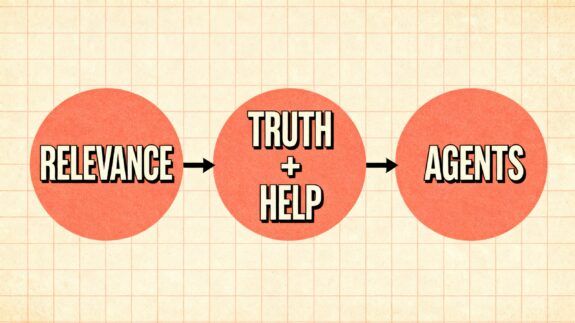
Just as we once monitored Google’s core updates, we must now anticipate the impact of LLM algorithm updates on our AEO strategy. These models are constantly being refined to prioritize “truthfulness” and “helpfulness” over mere relevance. As models move toward the “Model Context Protocol” (MCP), we will see the rise of autonomous agents that not only provide answers but also act on them, booking meetings, placing orders, and negotiating contracts on behalf of the user.
AEO is not a static project; it is an elastic strategy. As models become more discerning, the “fluff” of the 2010s will be discarded. Only brands that have engineered a foundation of genuine expertise and high-quality data will survive the next wave of AI refinement.
The Final Word: Engineering Dominance
At Lounge Lizard Worldwide Inc., we believe that success in the AI era is not a matter of luck; it is a matter of architecture. By implementing a sophisticated Answer Engine Optimization strategy today, we ensure that when the future asks a question, your brand is the only logical answer. Contact us to learn more about AEO and how your business can benefit from it today.