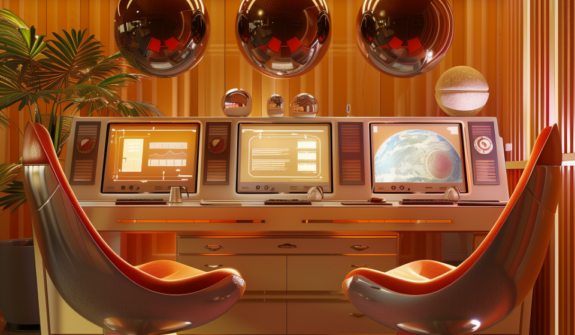
UI/UX Design Trends: The Future of User Interaction in 2026
The digital world in 2026 is brimming with transformation. As technology rapidly evolves, users now expect seamless, intuitive, and emotionally resonant experiences across all platforms and devices. From the rise of AI-personalized UX to immersive AR/VR interactions, designers are no longer just building interfaces; instead, they’re crafting ecosystems that anticipate user needs before they’re even expressed.
The year 2026 marks a pivotal shift in UI/UX design: hyper-personalization, accessibility-first thinking, and immersive engagement are no longer optional—they’re essential. Businesses that harness these design movements will capture attention, deepen brand loyalty, and set themselves apart in a hyper-competitive digital marketplace.
Key Takeaways
- AI-Personalized UX: Dynamic, intent-driven interfaces.
- Accessibility-First Design: Inclusion is core, not optional.
- Immersive AR/VR: Digital and physical worlds merge seamlessly.
- Voice-First Navigation: Conversational UI as the new normal.
- Haptic Feedback: Adding touch to enrich engagement.
- Minimalism with Depth: Emotional clarity over sterile simplicity.
- Microinteractions: Tiny animations, significant emotional impact.
- Gamification & Behavioral Nudges: Drive Loyalty Through Psychology.
- Cross-Platform Consistency: Ecosystem-based design.
- Data-Driven UX: Analytics as a design compass.
1. AI-Personalized UX: Smarter, Adaptive Journeys
Artificial Intelligence is no longer just a background player. In 2026, AI has become the driving force behind personalization in design.
- Dynamic Interfaces: Pages that reorganize layouts based on user behavior.
- Predictive Personalization: Tailoring product recommendations, dashboards, or even navigation menus in real-time.
AI is moving beyond recommendations; it’s now about anticipating intent and shaping experiences uniquely for each individual.
2. Accessibility-First Design: Inclusion at the Core
Accessibility has transformed from a checkbox to a foundational principle. In 2026, companies that prioritize inclusivity are setting the standard.
- Enhanced Contrast & Typography for Users with Visual Impairments.
- Multi-sensory Interfaces combining visual, audio, and haptic cues.
- Voice-first navigation that makes digital products accessible to those with motor limitations.
Accessibility is no longer a “nice to have.” It’s an ethical and competitive advantage.
3. Immersive Interfaces: AR, VR & XR Go Mainstream
Immersive technologies are reshaping the definition of “interface.”
- Virtual showrooms and AR try-ons are dominating retail, allowing customers to explore products before making a purchase.
- VR Workspaces create remote collaboration that feels tangible.
In 2026, immersive design is about blurring the line between digital and physical worlds.
4. Voice-First Navigation: Conversational Interfaces
With advancements in NLP, voice has become a primary means of navigation.
- Hands-Free Interactions: Perfect for driving, cooking, or multitasking.
- Cross-Device Consistency: From smart homes to wearables, voice-first UX ties ecosystems together.
The future is conversational, and designers must think about dialogue design as much as visual design.
5. Haptic Feedback: Adding Touch to Digital
Touch is the forgotten sense in digital design, but 2026 is changing that.
- Micro-vibrations guide users through menus.
- Tactile Cues make AR/VR more immersive.
This creates a new layer of engagement that users can feel.
6. Minimalism Evolved: Function Meets Emotion
Minimalist design is still thriving but has matured into functional minimalism.
- Clear Navigation meets emotional resonance with storytelling visuals.
- Glassmorphism & Neumorphism add depth without clutter.
- Dark Mode continues to dominate, offering health-focused benefits such as reduced eye strain.
Minimalism now balances clarity with personality.
7. Microinteractions: The Invisible Game-Changer
Microinteractions, those tiny animations or cues, have become powerful UX anchors.
- Swiping animations, hover cues, and instant feedback create delight.
- Reinforce brand identity in subtle ways.
These “small moments” create big emotional resonance.
8. Gamification & Behavioral Design
Design is increasingly shaped by behavioral psychology.
- Progress trackers, rewards, and levels drive ongoing engagement.
- Nudges & Cues influence decision-making in ways that feel natural.
In 2026, gamification is about motivation, not manipulation.
9. Cross-Platform Consistency: From Mobile to Wearables
Users demand seamlessness. Whether on desktops, mobile devices, AR glasses, or EV dashboards, continuity is key.
- Design systems now prioritize fluid transitions across devices.
Inconsistent experiences are a dealbreaker in 2026.
10. Data-Driven Design & Advanced Analytics
Analytics have evolved into predictive engines for design decisions.
- Heatmaps, behavioral tracking, and sentiment analysis inform the design of interfaces.
- AI-driven analytics highlight not just “what happened” but what will happen.
- Data fuels more responsive, evolving UX strategies.
Summary
The UI/UX design trends 2026 center on personalization, accessibility, immersion, and cross-platform continuity. AI and data make experiences smarter, immersive tech makes them deeper, and accessibility-first design makes them truly universal. Leading brands like Apple, Meta, and Tesla are proving that these aren’t futuristic concepts—they’re live, user-driven standards that are reshaping industries today.
Conclusion
The UI/UX design trends 2026 are setting a new bar for creativity, inclusivity, and engagement. By blending AI, accessibility-first principles, immersive tech, and multi-sensory design, businesses can deliver experiences that feel alive, intuitive, and unforgettable.
At Lounge Lizard, we specialize in bringing cutting-edge ideas to life—whether you need a redesign, an immersive UX strategy, or an AI-driven personalization framework. If you’re ready to transform your digital presence and stay ahead of the curve, let’s connect. Together, we’ll craft digital experiences that inspire, engage, and convert.
✨ Contact Lounge Lizard today to start shaping the future of your user experience.